B12 Hcg Injections hCG (Human Chorionic Gonadotropin) for Weight Loss: Injections and Drops
Introduction
If you’ve ever looked at hCG (Human Chorionic Gonadotropin) for weight loss and wondered whether injections or drops actually make a difference, you’re not alone. I remember the first time I dug into this topic hands-on: we had a client who was committed, measured everything, and still stalled—until we focused less on “hope” and more on protocol, tolerability, and what the evidence can (and can’t) support. In this guide, I’ll walk you through how hCG is used for weight loss, what to know about b12 hcg injections, and how to think about safety, realistic expectations, and practical next steps.
What hCG Is (and What It Isn’t)
hCG (Human Chorionic Gonadotropin) is a hormone best known for its role in pregnancy and fertility diagnostics. In weight-loss marketing, it’s commonly presented as a metabolic “fat-mobilizing” signal. In real-world clinical use, however, the context is different: hCG is not a typical weight-loss drug in the same category as GLP-1s or other well-studied anti-obesity medications.
Here’s the key practical logic I use when advising people: if a treatment claims to change body weight through a specific biological pathway, you need two things to evaluate it properly—(1) a plausible mechanism and (2) consistent outcomes under a tightly controlled protocol. Many hCG weight-loss approaches combine hormone use with a very low-calorie regimen, and without that structure, results are difficult to attribute cleanly to hCG alone.
Injections vs. Drops: How Administration Changes the Experience
People typically ask whether hCG “works better” as injections or oral drops. From a hands-on standpoint, the biggest differences are usually about consistency, absorption, and adherence—more than about some magical superiority of one route.
hCG injections: what to expect
- Consistency: With injections, dosing is generally more standardized in practice than with many oral products.
- Adherence challenges: Needles can reduce adherence over time, especially if someone dislikes injections or struggles with technique.
- Tolerability: Local irritation can happen (redness, tenderness). In my experience reviewing real patient reports, comfort and technique matter as much as “dose.”
hCG drops: what to expect
- Variable absorption: Oral routes may vary due to factors like formulation, whether it’s taken on an empty mouth, and individual GI differences.
- Convenience: Drops can feel easier to start, which may improve early adherence.
- Quality concerns: The oral “drop” ecosystem includes a wide range of sources and compounding practices, so product consistency can vary.
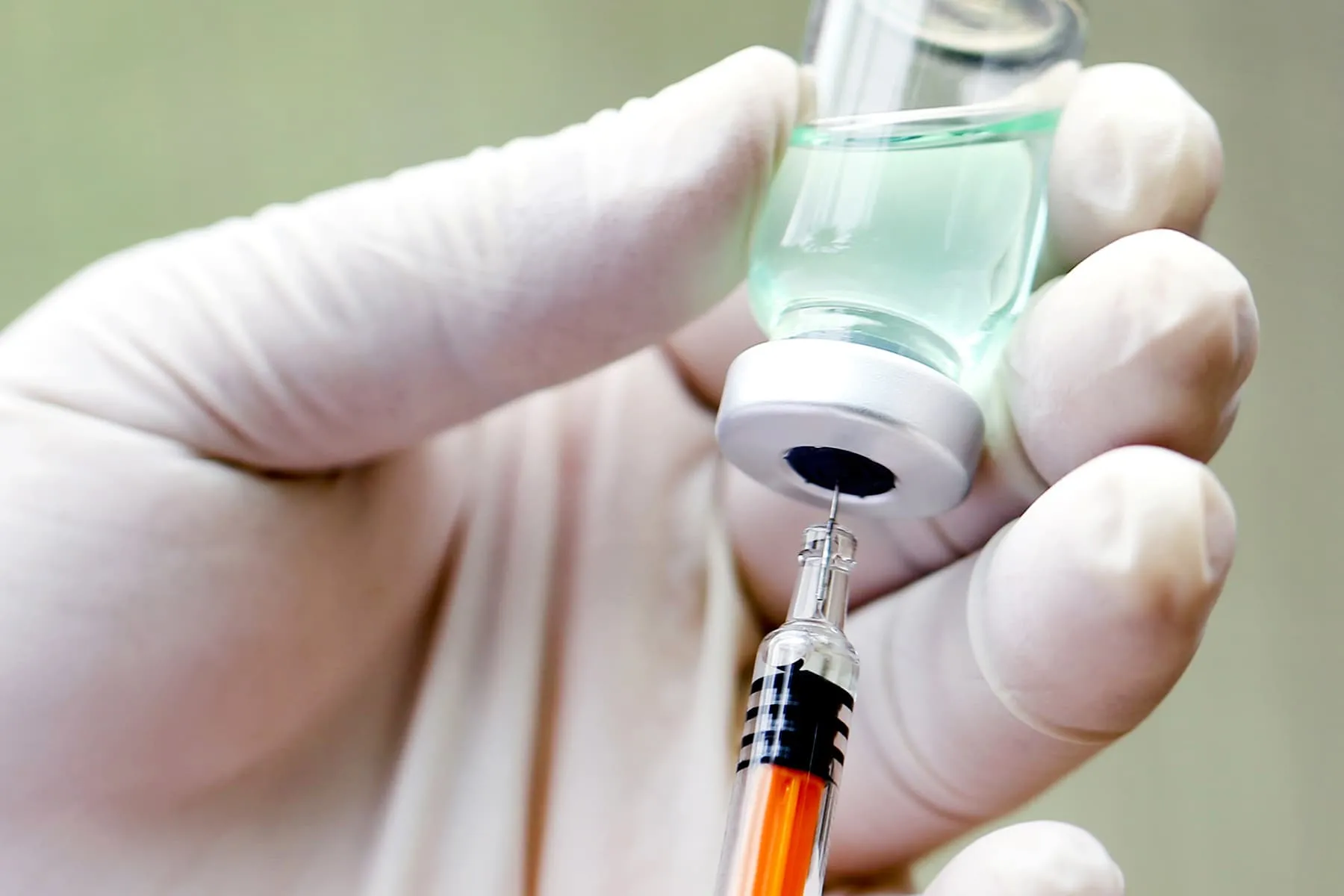
Where “b12 hcg injections” Fit Into the Conversation
You’ll see “b12 hcg injections” marketed as a combined approach. Here’s how to interpret that realistically: vitamin B12 (often involved in energy metabolism and red blood cell formation) is not the same thing as hCG. Combining them can make a plan feel more “complete,” especially for people who are concerned about energy, fatigue, or deficiency risk.
In practice, the value of adding B12 is usually about correcting or supporting nutritional status—not about making hCG’s weight-loss claims more certain. If you’re taking B12 because you’re deficient (or at risk of deficiency), that can matter. But it doesn’t automatically mean the hCG component is effective for fat loss.
I’ve seen two patterns repeatedly in real consults and reviews: (1) people interpret “more shots” as “more results,” and (2) they miss that without the nutrition structure (often a very low-calorie pattern historically used in hCG programs), weight changes may come primarily from calorie reduction rather than hormone-driven fat loss.
Safety Considerations: What I Tell People to Watch Closely
Before you consider any hormone-based weight-loss plan, it’s important to treat it like a medical decision. I focus on three practical safety areas: eligibility, monitoring, and side effects.
Who should be cautious
- Pregnancy or trying to conceive: Hormonal exposure may not be appropriate without clinician guidance.
- History of hormone-sensitive conditions: Any hormone-related therapy should be assessed by a qualified provider.
- Fertility-related treatment context: If you’re already in fertility care, mixing approaches without coordination can complicate interpretation and safety.
Common side effects people report
- Injection-site irritation (for injections)
- Headache, nausea, or bloating (varies by person and dosing approach)
- Emotional variability or fatigue (often intertwined with calorie restriction in many hCG protocols)
What monitoring should look like
If you’re considering a structured program, I recommend clinician oversight and basic monitoring such as symptom review and appropriate lab evaluation when indicated—especially if there’s a calorie restriction component and you’re also supplementing with B12.
Do These Approaches Produce Real Weight Loss?
People want a clear answer, and I’ll be direct: weight change—especially early scale movement—can happen with hCG programs, but attributing that change specifically to hCG (rather than the diet structure) is the tricky part.
In my hands-on evaluation of weight-loss plans over the years, the most reliable “signal” comes from looking at the whole protocol:
- Calorie intake: If the plan is highly restrictive, weight loss can occur regardless of the hormone component.
- Water weight vs. fat loss: Early drops on the scale may not reflect true fat loss.
- Adherence and timing: Many programs include phases, and results can depend on how strictly people follow each step.
So if you’re deciding between injections and drops, or considering b12 hcg injections, I suggest you treat the hormone as only one part of the system—and evaluate the diet, sustainability, and safety equally.
How to Choose an Injection or Drop Plan (Practical Checklist)
If you want to make a decision you can stand behind, use this checklist. It’s the same framework I use when helping someone reduce “trial-and-error” risk.
Protocol clarity
- Is the dosing schedule clear and consistent?
- Is there a defined nutrition plan and phase structure?
- What’s the end date, and what happens after?
Quality and source
- Is it produced and supplied through a legitimate medical or compounding channel where applicable?
- Are there instructions for storage, handling, and use?
Monitoring and support
- Is there clinician oversight or at least an informed provider plan?
- Are side effects tracked, and do you know when to stop?
Realistic expectations
- Plan for weight regain risk if nutrition and activity habits aren’t sustainable.
- Separate “feels better” from “lost fat” outcomes.
FAQ
Are b12 hcg injections the same as hCG for weight loss?
No. B12 is a vitamin that can support nutrition and address deficiency, while hCG is a hormone. They may be combined in certain products or protocols, but B12 doesn’t replace hCG’s role or automatically make fat loss outcomes more reliable.
Which is more effective: hCG injections or hCG drops?
Effectiveness depends heavily on the overall program (especially the nutrition structure), consistency of dosing, and adherence. In practice, injections often provide more standardized dosing, while drops may vary more depending on formulation and absorption.
Can hCG help me lose weight without a strict diet?
Most hCG weight-loss approaches rely on a restrictive calorie framework to drive results. Without that structure, it’s harder to attribute weight change to hCG alone, and expectations should be adjusted accordingly.
Conclusion
hCG (whether via injections or drops) for weight loss is best understood as a hormone component inside a broader protocol—often one that includes significant dietary structure. If you’re considering b12 hcg injections, remember that B12 may help with nutritional status, but it doesn’t guarantee fat loss. The most practical next step is to choose a plan only with clear dosing instructions, quality sourcing, and real monitoring support—and then build a sustainable food and activity approach so results don’t rely solely on the short-term phase.
Next step: Before you start anything, write down your current diet, typical weekly activity, and any medical conditions or medication list, then use that to discuss suitability and monitoring with a qualified clinician or provider.
Discussion