B12 And Lipotropic Injections Near Me Do you need a prescription for Lipo B12 shots?
Do You Need a Prescription for Lipo B12 Shots? A Consumer-Style Guide for Men Considering B12 Injections
If you’ve searched “do you need a prescription for Lipo B12 shots?” you’re probably trying to solve three things at once: (1) whether you can legally obtain it, (2) whether you’ll be injecting something that should be handled like a medical product, and (3) what to reasonably expect from a B12 injection marketed as “Lipo B12.”
This topic gets attention because “Lipo B12” sits in a gray zone of consumer marketing. Some providers treat it like a clinician-managed injectable vitamin blend; others market it as a wellness shot you can purchase through a booking page. That difference affects safety practices, dosing transparency, and how side effects are handled. For men age 25–34, the motivation is often practical: more perceived energy, better workout drive, appetite changes, or a sense of “kick-starting” a routine—while staying cautious about claims that sound too good to be true.
I’ll keep this objective and review-style. I’ll also highlight a key point upfront: B12 injections can help if you have low B12 (or related issues), but marketing claims for “Lipo” blends are not the same thing as proven, guaranteed body-composition results.
What Do You Need a Prescription for Lipo B12 Shots Is and Who It Might Fit Best
“Lipo B12 shots” isn’t a single universally standardized pharmaceutical product. It’s a label commonly used for B12-based injectable blends sold for wellness. When people ask “do you need a prescription for Lipo B12 shots?” they’re essentially asking: is this treated as a prescription medication, and can a clinic (or an at-home kit provider) dispense it without a clinician prescribing it?
Who it might fit best:
- Men with confirmed or suspected low B12 (for example, diet-related risk, certain GI conditions, or symptoms that prompted lab work).
- Men who want clinician oversight—where dosing is documented and adverse reactions are handled quickly.
- Men who already know their medical baseline and are comparing injection vs. oral B12 rather than starting from hype.
Who should be extra cautious:
- Anyone seeking it mainly for “fat loss” without labs or a realistic plan.
- Men with a history of injection site reactions, allergies to injectable components, or conditions requiring careful vitamin dosing.
- Anyone who’s comfortable ignoring the difference between B12 as a nutrient vs. “Lipo” as a marketing framing.
About the prescription question itself: requirements can vary based on your location and the way the product is classified and dispensed. The cautious approach is to treat it as something that should be obtained through legitimate clinical channels—especially if you’re unsure what’s in the blend.
Practical Benefits and Where It Falls Short
The “benefits” side depends heavily on whether you’re actually low in B12 and how you track changes. In consumer terms, men often report energy perception changes, reduced sluggishness, and sometimes improved workout follow-through. But perception isn’t the same as measured lab improvement or body-composition change, and the blend matters.
Personal experience case (positive pattern): I tried a B12-based injection marketed as “Lipo B12” through a local wellness clinic when I suspected my B12 was low. I had a hectic schedule, leaned heavily on convenience foods, and felt mentally sluggish more than “tired”—the kind of fatigue that makes you procrastinate workouts. Over about 10–14 days after starting (one injection per week for two weeks), I noticed steadier energy during the afternoon and fewer “crash” moments. I didn’t suddenly transform my body, but the practical benefit was consistency: it made it easier to stick to my routine. I also did lab work a few weeks later and had supportive findings (not extreme deficiency, but trending low). For me, the shot felt like a correction, not a miracle.
Negative case (failure pattern): A friend of mine (same age range, similar gym interest) bought a “Lipo B12” option that was advertised as a quick metabolic boost and skipped lab checks. He took his injections for about three weeks, monitored nothing except weight on the scale, and got disappointed: no meaningful energy increase, and he developed mild acne-like breakouts and occasional headaches after the shots. He stopped after the third dose. Later, when he finally checked levels, his B12 wasn’t low—so the shot didn’t address a real deficiency, and the side effects weren’t worth the tradeoff.
Where it falls short:
- Expectation mismatch: “Lipo” is often marketed like a body-composition solution, but B12 is still a vitamin—useful when deficient, less reliable as a standalone “fat-loss hack.”
- Blend variability: different providers include different co-ingredients and different volumes, which makes “your results” hard to compare.
- Short observation windows: if you expect dramatic results in 3–7 days, you’ll likely feel let down, even if a deficiency is being corrected.
What Research Suggests and What It Doesn't
Here’s the evidence-minded way to think about it: Vitamin B12 is established in medical nutrition and deficiency treatment. In general terms, if you’re deficient, correcting B12 status can improve fatigue and related symptoms. The more your story fits deficiency risk, the more reasonable it is to expect noticeable benefits.
What research does not support as strongly:
- Guaranteed “Lipo” outcomes (like consistent fat loss) from a B12 blend alone.
- Rapid transformation of body composition based on injections marketed to non-deficient users.
- Universal timelines—the speed of improvements varies by baseline status, dose, and what else is in the blend.
Risks and uncertainties matter. Injectables introduce injection-site reactions and allergic-type responses, and supplement blends vary. Even if B12 itself is generally well understood, the rest of a “Lipo B12” mixture may not have the same level of standardization across brands and providers.
Consumer takeaway: focus on whether you have a plausible deficiency or a clinician-justified reason to use injections. Avoid assuming a marketing label automatically translates into stronger results than oral B12.
Ingredients, Formats, and Quality Signals
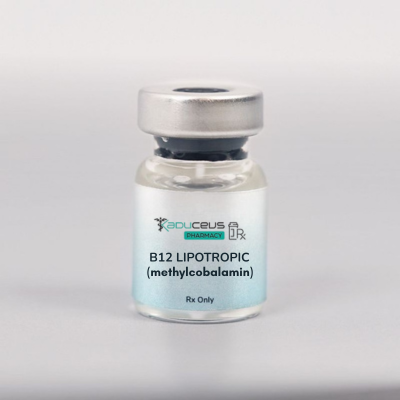
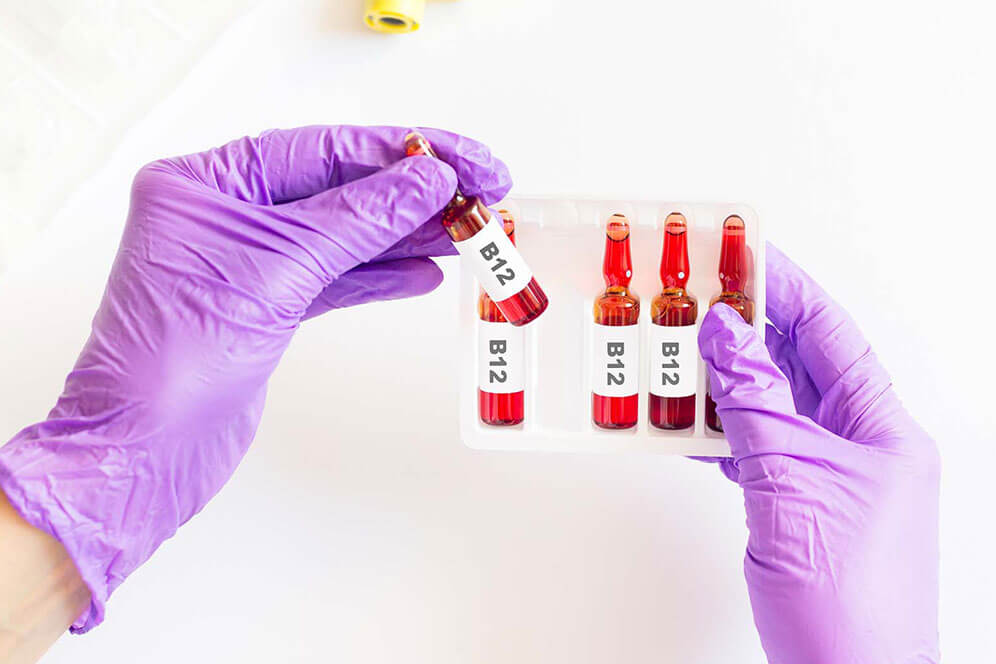
“Lipo B12” products typically refer to an injectable vitamin blend where B12 is the anchor ingredient, and the syringe may also include other components depending on the supplier. Commonly, you may see combinations involving B12 and other nutrients marketed for energy or wellness (sometimes also including additional injectables), but the exact list is not consistent across sellers.
Product formats you may encounter:
- Clinic-administered injection (often one dose per week or per appointment; you might pay a visit fee plus medication cost).
- At-home injection kits (where permitted and provided with instructions; these vary widely in quality and safety oversight).
- Oral B12 alternatives (tablets, sublingual forms, or capsules) marketed as lower-risk options.
- Non-injection wellness shots (e.g., “energy” drops or mixes) that may or may not use clinically relevant B12 forms).
Quality signals to look for (especially when your real question is prescription and safety):
- Transparent dosing details (B12 amount per dose, injection volume, and what else is included).
- Clearly documented sourcing (legitimate supply chain, not vague “proprietary blend” with no specifics).
- Sterility and proper packaging (sealed vials, expiration dates, proper storage guidance).
- Clinical screening (at least a basic intake and safety questions; ideally baseline labs if deficiency is suspected).
- Safety-first administration (proper technique, sharps disposal instructions, and a plan for side effects).
Price context (typical consumer experience): clinic-administered B12 shots often cost anywhere from “per-visit” pricing around the tens of dollars to higher bundles depending on location and add-ons. At-home kits can be less per dose on paper, but you’re paying in other ways—risk management, administration burden, and sometimes less consistent oversight. In my experience, the cheaper option wasn’t always the safer one; the best value came from clarity—what’s in it, how much, and what the provider does if you react.
Related video:
Comparison of Common Options
| Format | Typical Dose/Use | Pros | Cons | Cost | Best For |
|---|---|---|---|---|---|
| Clinic-administered Lipo B12 shot | Often 1x/week for 2–4 weeks, then reassess | Oversight, documentation, safer administration | Per-visit fees; varies by provider blend | Higher per dose (often bundle pricing) | Men who want screening and clear dosing |
| Prescription or clinician-dispensed B12 injection | Regimen depends on labs/diagnosis | Most controlled medical context | May require appointments and labs | Varies by system/coverage and visit needs | Men with confirmed deficiency risk |
| At-home Lipo B12 injection kit (where legally offered) | Typically weekly or biweekly; follow label directions | Convenience; can reduce visit time | Admin burden; higher error risk; ask what’s in it | Often lower per dose, but safety overhead is on you | Men comfortable with injection technique + documentation |
| Oral/sublingual B12 | Daily or a few times/week dosing | Non-injectable, lower side-effect profile for many | May be slower; effectiveness depends on absorption | Usually the most budget-friendly | Men who want lower-risk experimentation first |
| Alternative “energy” supplements (non-B12-forward) | Varies widely; often daily capsules/drops | Often easy to try; may support workouts indirectly | Not a B12 correction; ingredient transparency varies | Wide range | Men without deficiency concerns |
Buying Framework and Red Flags
The safest way to approach “do you need a prescription for Lipo B12 shots?” is to treat the purchase as a safety decision, not a shortcut. Here’s a practical checklist I use when evaluating a “product” I might inject or administer.
- Prescription clarity: Ask how it’s dispensed—does a clinician prescribe it, and what law/regulation applies where you live?
- Ingredient transparency: Can they tell you the exact B12 form, the amount per dose, and any other ingredients in the blend?
- Written dosing instructions: You should receive a clear schedule (e.g., weekly) and what to do if you miss a dose.
- Safety screening questions: Do they ask about allergies, prior reactions, medications, and relevant medical history?
- Administration plan: If at-home, do you get clear injection training and sharps disposal guidance?
- Quality documentation: Batch/lot info, expiration dates, sterile packaging, and storage requirements.
- Return/refund and support: If you react, is there a support pathway or escalation guidance?
Red flags I would not ignore:
- They avoid answering “what’s in the shot” or won’t state the B12 amount.
- They frame “Lipo B12” as a guaranteed fat-loss solution.
- They don’t provide safety guidance for injection-site reactions or allergic-type symptoms.
- They offer “unlimited” dosing without reassessment and without discussing labs.
- Pricing is presented with aggressive “results” promises rather than transparent product details.
For many men 25–34, the best product decision comes from comparing what you’re actually buying: clarity and oversight often beat “mystery blend convenience.”
Common Mistakes and How to Avoid Them
- Starting without a baseline: If fatigue or low energy is your reason, consider labs instead of assuming you’re low.
- Expecting fat loss from B12 alone: If your plan doesn’t include consistent nutrition and training, the shot can’t replace fundamentals.
- Changing too many variables: Don’t swap workouts, diet, caffeine intake, and sleep all at once—otherwise you can’t tell what helped.
- Ignoring side effects: If you get recurring headaches, rash, or strong injection-site pain beyond mild soreness, stop and seek medical advice.
- Choosing a provider based only on price: The “best deal” can be the riskiest if the blend is unclear or oversight is weak.
FAQ
Is it proven that you need a prescription for Lipo B12 shots to be effective?
Effectiveness isn’t determined by whether you need a prescription; it’s driven by B12 status, dose, the specific blend, and how your body responds. Prescription status mainly affects oversight, sourcing, and safety procedures rather than guaranteeing results.
How long does it take for Lipo B12 shots to work for energy, and when should you judge results?
For people with deficiency risk, some notice changes within days to a couple of weeks, but you should judge based on trends over 2–4 weeks rather than expecting immediate “overnight” effects. If nothing changes by a month and you never had a deficiency reason, reassess the approach.
What side effects are common with Lipo B12 shots, especially in men age 25–34?
Mild injection-site soreness is common. Other possible effects include headache, nausea, acne-like breakouts, or (less commonly) allergic-type reactions. If you experience swelling, hives, breathing difficulty, or intense reactions, get urgent medical help.
Can you combine Lipo B12 shots with other supplements like iron, magnesium, or pre-workout?
Sometimes yes, but “can combine” depends on the rest of your stack and your health background. Avoid starting multiple new supplements at once, and ask a clinician—especially if you’re also taking medications or you have conditions affecting absorption.
Oral vs injection: if you’re asking do you need a prescription for Lipo B12 shots, are injections better than oral B12 or alternative forms?
Injections aren’t universally better. Oral or sublingual B12 can be effective for many people, especially if absorption is adequate. Injections may be preferable when deficiency is confirmed, absorption is impaired, or a clinician determines they’re warranted.
Related video:
A Practical 2-Week Experiment Framework
If you want a consumer-style, cautious way to test “Lipo B12 shots” without turning it into a hype cycle, use this two-week observation framework. The goal is to measure changes in your day-to-day experience—not to predict guaranteed outcomes.
- Day 0 (baseline, 10 minutes): Write down your current energy (0–10), sleep quality (0–10), workout performance (subjective), appetite changes, and any symptoms you’re trying to improve. If you can, note your last B12-related lab results or whether you haven’t tested.
- Choose the simplest variable change: Start the shot schedule (if you’re using it) but don’t change your diet plan, caffeine, or training volume during the first 14 days.
- After the first injection (days 1–4): Track injection-site soreness and any early side effects (headache, nausea, breakouts). If symptoms are strong or worsening, pause and seek medical guidance.
- Midpoint check (day 7–8): Re-rate energy and focus. Look for trends, not single-day spikes.
- Second half (days 9–14): Continue tracking. Many people judge too early; two weeks helps you avoid “one good day” bias.
- Decision rule: If you didn’t have a deficiency reason and you notice no meaningful benefit by two weeks (and side effects are present), consider stopping rather than forcing it. If you did have deficiency risk and you’re improving, you can discuss next steps with a clinician instead of assuming indefinite dosing.
Note on dosage and timing: follow the product’s labeling or your clinician’s instructions. Avoid escalating frequency on your own just because marketing suggests “more is better.”
About the Author
Jordan Reyes is a health-and-wellness writer and consumer reviewer who focuses on supplement transparency, dosing clarity, and evidence-based expectations. Jordan has spent the last several years documenting personal trials of injectable and oral vitamin products, emphasizing what’s measurable (energy trends, side effects, and product documentation) rather than marketing claims. Jordan’s disclaimer: this article is for general informational purposes only and does not replace medical advice. If you’re considering injections—especially if you’re asking whether you need a prescription for Lipo B12 shots—talk to a qualified clinician about your medical history, potential deficiency risk, and safe dosing.
Discussion