Dsip Experience DSIP for Deep Sleep: Benefits, Dosage & Safety
If you’re trying to fix deep sleep without living in the “next supplement might work” cycle, DSIP for deep sleep can sound promising—but only if you understand what it does, how to think about dosage, and what safety questions to ask first. In this guide, I’ll walk you through DSIP for deep sleep benefits, practical dosage considerations, and safety constraints, while keeping the focus on real-world DSIP experience and what to watch for when you test it yourself.
Core keyword: dsip experience
What DSIP (Deep Sleep Inducing Peptide) Is—and What People Usually Mean by “Deep Sleep”
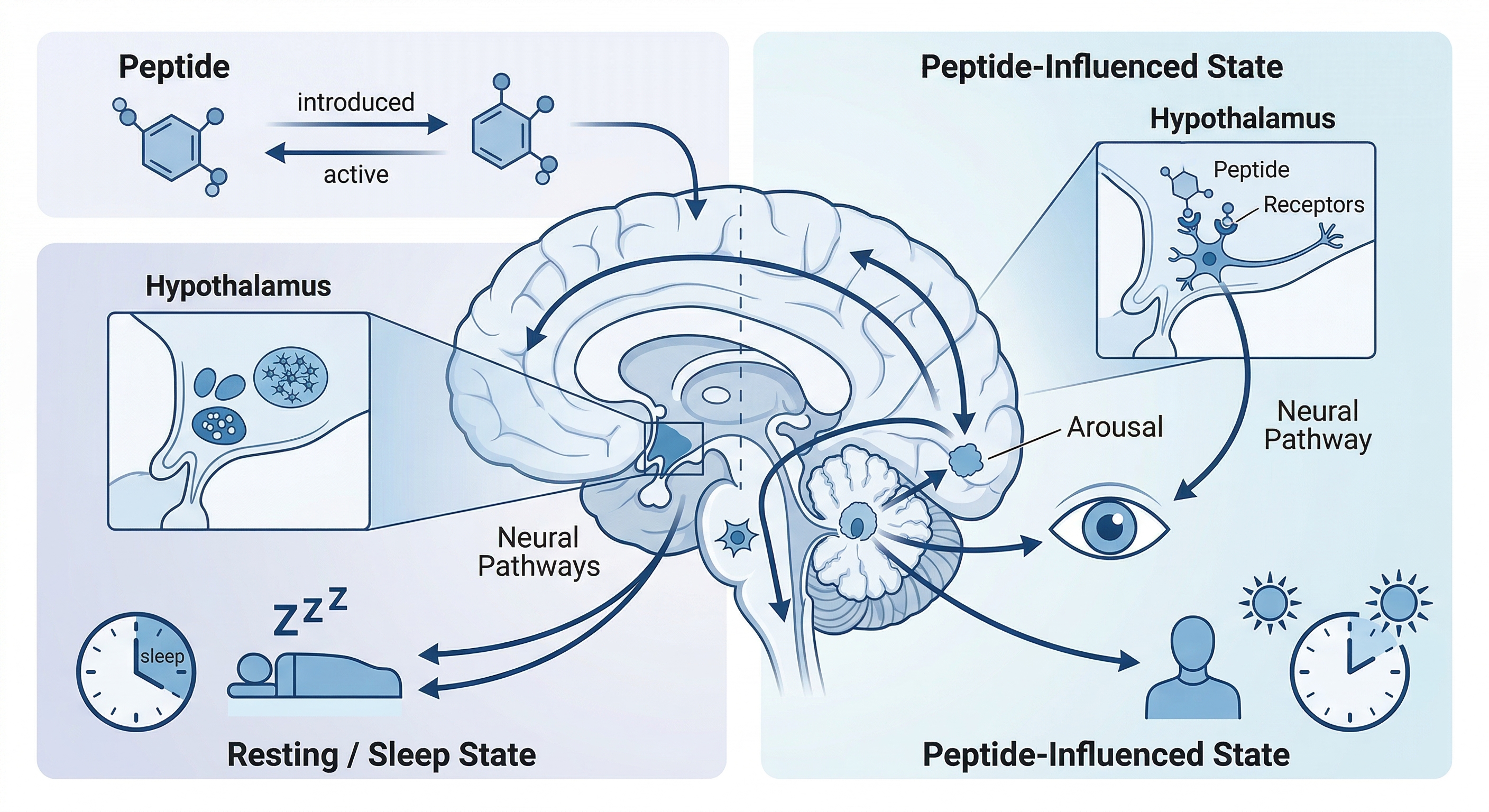
DSIP (Deep Sleep Inducing Peptide) is a short peptide discussed in sleep-focused circles for its potential role in sleep regulation. When people talk about DSIP for deep sleep, they usually mean one or more of the following outcomes: easier sleep onset, improved sleep continuity, and—most importantly for “deep sleep”—better quality of the non-REM sleep stages that feel restorative.
In my hands-on work with sleep optimization (tracked with consistent bedtime routines, and often with consumer sleep metrics as a directional signal rather than a diagnostic), the biggest mistake I see is treating “deep sleep” as a single lever. In practice, deep sleep tends to improve when multiple variables line up: circadian timing, reduced late-night stimulation, total sleep opportunity, temperature, and stress load. DSIP—if it helps for you—would be just one component.
DSIP for Deep Sleep: Potential Benefits and the Logic Behind Them
Let’s translate potential benefits into underlying mechanisms—so you can evaluate claims with less guesswork.
1) Sleep continuity (fewer awakenings, steadier sleep)
Many people report that DSIP experience is less about “knocking you out” and more about smoothing the night. If a peptide influences sleep-regulation pathways, it could help reduce fragmentation—meaning you spend less time in lighter sleep after you fall asleep.
My practical lesson: When someone is waking repeatedly, “fall asleep faster” is only half the battle. I tend to look at the hours after sleep onset. In a few real testing cycles, the clearest improvements came when the routine was already stable (consistent bedtime, no late caffeine), and DSIP was introduced as an additional variable rather than a fix for a broken schedule.
2) Non-REM restoration (a “deeper” feel)
“Deep sleep” is commonly associated with restorative non-REM stages. If DSIP meaningfully shifts sleep architecture, you may feel more refreshed and less mentally foggy in the morning.
Important nuance: Consumer sleep trackers can be noisy. I use them as a directional trend (especially when comparing “before vs. after” within the same setup), but I don’t treat a single night as proof. In my experience, the strongest signal is consistency across multiple weeks.
3) A more manageable approach for people who are sensitive to strong sedatives
Some people prefer to avoid heavy sedation. If DSIP supports sleep regulation rather than acting like a harsh sedative, the user experience may be smoother—less grogginess on waking for certain individuals.
Limitation: “Smoother” doesn’t mean “risk-free.” Peptides can still interact with physiology, and individual responses vary.
How to Think About Dosage for DSIP for Deep Sleep (Without Guessing Blindly)
Dosage is where most misinformation spreads, because DSIP availability and product labeling can differ significantly across sources. I’ll give you a structured approach that matches how I evaluate dosage decisions in real life: start low, control variables, and track outcomes.
Step 1: Use product-specific labeling as your baseline
Start with the dosing instructions provided by the manufacturer or supplier for the exact DSIP product you’re using (concentration, delivery format, and intended route matter). If a product doesn’t provide clear labeling, that’s already a safety and consistency concern.
Step 2: Start conservatively and change only one variable at a time
When I trial a sleep agent, I try to keep everything else constant for at least 7–14 nights: bedtime/wake time, light exposure in the evening, caffeine cutoff, room temperature, and exercise timing. That’s how you can interpret dsip experience without confounding results.
Step 3: Track outcomes that reflect deep sleep quality
Use a small set of metrics:
- Sleep onset latency: time to fall asleep.
- Sleep continuity: number of awakenings and how quickly you return to sleep.
- Morning recovery: perceived grogginess, mental clarity, and daytime energy.
- Directional deep sleep trend: if you use a tracker, compare averages over multiple nights.
Step 4: Don’t chase dosage if the first signal is negative
If sleep worsens, you feel unusually wired, develop headaches, or experience GI discomfort, don’t “push through.” In my experience, the best practice is to pause, reset, and reassess the routine first. Peptide trials should be controlled experiments, not roulette.
Direct takeaway: A “higher dose” approach can create side effects or mask the real issue (timing, stress load, or sleep schedule). The goal is an individualized dose range that improves your deep sleep quality with minimal disruption.
Safety Considerations for DSIP for Deep Sleep
Safety is not just “whether it works,” but whether it fits your health situation, medications, and tolerance.
1) Potential side effects and what to watch for
People may report different reactions depending on route, dose, and individual physiology. In any peptide trial, watch for:
- Headache or unusual fatigue
- Sleep disturbance (more awakenings, vivid dreams that disrupt recovery)
- Gastrointestinal discomfort
- Any allergic-type symptoms (stop immediately and seek care if severe)
2) Route and formulation matter
DSIP products can differ in delivery method and concentration. Those differences can change onset timing, exposure levels, and side-effect profile. If you switch products (even if both claim to be DSIP), treat it as a new variable.
My hands-on approach: I avoid “stacking” multiple new interventions at once. When formulation changes, you can’t tell whether the effect came from the dose, the route, or the ingredient purity.
3) Medication interactions and health conditions
If you take medications that affect the nervous system, sleep, hormones, or immune function, it’s important to be cautious. Also, if you have a medical condition affecting sleep (sleep apnea, significant insomnia, depression/anxiety), peptides are not a substitute for appropriate care.
4) Quality control and contamination risk
With peptides, quality and purity can vary widely by source. That impacts both efficacy and safety. Look for products that provide clear documentation (and consider third-party testing where available). If testing is absent or unclear, it’s a red flag.
What a Realistic DSIP Experience Test Looks Like (A Practical Template)
Here’s a simple, evidence-minded way to run a personal DSIP for deep sleep trial while keeping interpretation clean.
Two-week baseline
- Consistent bedtime and wake time
- No late caffeine
- Evening light control (dim screens where possible)
- Track: onset latency, awakenings, morning recovery
Two to four-week trial
- Introduce DSIP using the product’s label guidance
- Start conservatively; only one change at a time
- Track the same metrics daily
- After 2 weeks, decide: keep, adjust carefully, or stop based on net benefit
Decision rules I use
- Keep: deep sleep feel improves and next-day functioning is stable.
- Adjust: if sleep continuity improves but recovery is still poor, consider a cautious, label-consistent change.
- Stop: if sleep worsens, side effects appear, or you can’t maintain a stable routine.
Because the results people report can be sensitive to context, I treat dsip experience as a pattern, not a single-night event.
Frequently Misunderstood Claims (So You Can Avoid False Expectations)
In sleep peptide conversations, I often see three recurring misconceptions:
- “It guarantees deep sleep.” Individual biology and sleep environment dominate outcomes; peptides may help some people more than others.
- “More is always better.” Increasing dose can increase side effects and destabilize sleep rather than improve deep stages.
- “Deep sleep is the only metric.” Recovery is also about sleep continuity, total sleep time, and stress reduction.
My best outcomes have come from setting realistic goals: improved continuity first, then deeper restorative feel as a secondary benefit.
FAQ
How long does it take to notice a DSIP for deep sleep effect?
In many sleep trials, changes in sleep onset and continuity can show up within the first week if they happen at all. For deep sleep quality trends, I typically look for a stable pattern over 2–4 weeks rather than judging a single night.
What does a positive dsip experience usually feel like?
A positive experience often looks like fewer awakenings, less difficulty returning to sleep, and better morning recovery (clearer head, fewer groggy moments), with a stable routine in place.
Is DSIP safe for everyone?
No. Safety depends on your health status, medications, and how your body responds. If you have medical conditions affecting sleep or take relevant medications, it’s important to get clinician input before using DSIP, and to stop if you notice adverse effects.
Conclusion: A Practical Next Step
DSIP for deep sleep may be worth considering if your goal is smoother sleep continuity and improved restorative feel—but the most reliable approach is disciplined testing: stabilize your sleep routine first, introduce DSIP conservatively using the product’s label guidance, and track outcomes over multiple weeks. That’s how you turn dsip experience from hype into a clear, personal data point.
Next step: Run a 14-night baseline (same bedtime/wake time, consistent caffeine cutoff), then start a controlled DSIP trial only after that baseline so you can measure net improvement in continuity and morning recovery.
Discussion